Vision
A society where every person is able to lead a quality and dignified life irrespective of gender.
Discover BRED, our identity, journey, governance, leadership and the communities we serve.
Bangladesh Rural Economic Development (BRED) is a non-profit, non-political and non-governmental voluntary social development organization established in 1995 to improve the socio-economic status of poor and marginalized people, especially those who lack access to rights and entitlements.
BRED began its activities in Pabna and Sirajgonj, a low-lying middle region of the country where many communities face underdevelopment and climate-related impacts on lives and livelihoods.
 Community-led development
BRED's journey began with a clear purpose: to stand beside poor, marginalized and vulnerable communities and help expand their access to rights, opportunity and a dignified life.
Starting in the low-lying areas of Sirajganj and Pabna, BRED gradually expanded its development experience through education, health, rights, gender, livelihoods, skills, climate resilience and community mobilization.
A society where every person is able to lead a quality and dignified life irrespective of gender.
BRED works to build a hunger-free society, ensure education, improve access to quality health including SRHR, protect human rights, climate justice and promote sustainable livelihood and employability through empowering marginalized people.
To empower marginalized communities to lead dignified, healthy, and sustainable lives by ensuring access to education, healthcare including SRHR, human rights protection, climate justice, and inclusive livelihood opportunities.
Five connected priorities translate BRED’s mission into practical action for marginalized communities.
Strengthen community resilience to floods, river erosion, cyclones and climate variability.
Enhance inclusive and quality education for children, adolescents and adults from marginalized communities.
Improve availability and accessibility of comprehensive healthcare, including SRHR and GBV services.
Promote human rights, gender equality and social justice through awareness, support and advocacy.
Support sustainable livelihoods, green practices, skills development and decent employment opportunities.
BRED is governed through a representative structure led by the General Committee and Executive Committee, with the Executive Director overseeing management and programme functions.
The General Committee is the highest and legislative body of BRED.
The Executive Committee is elected by the General Committee.
The Executive Committee is elected for a three-year period.
The General Committee meets annually, with emergency meetings when necessary.
The complete organizational structure below follows the supplied BRED organogram, rebuilt as a readable responsive web diagram.
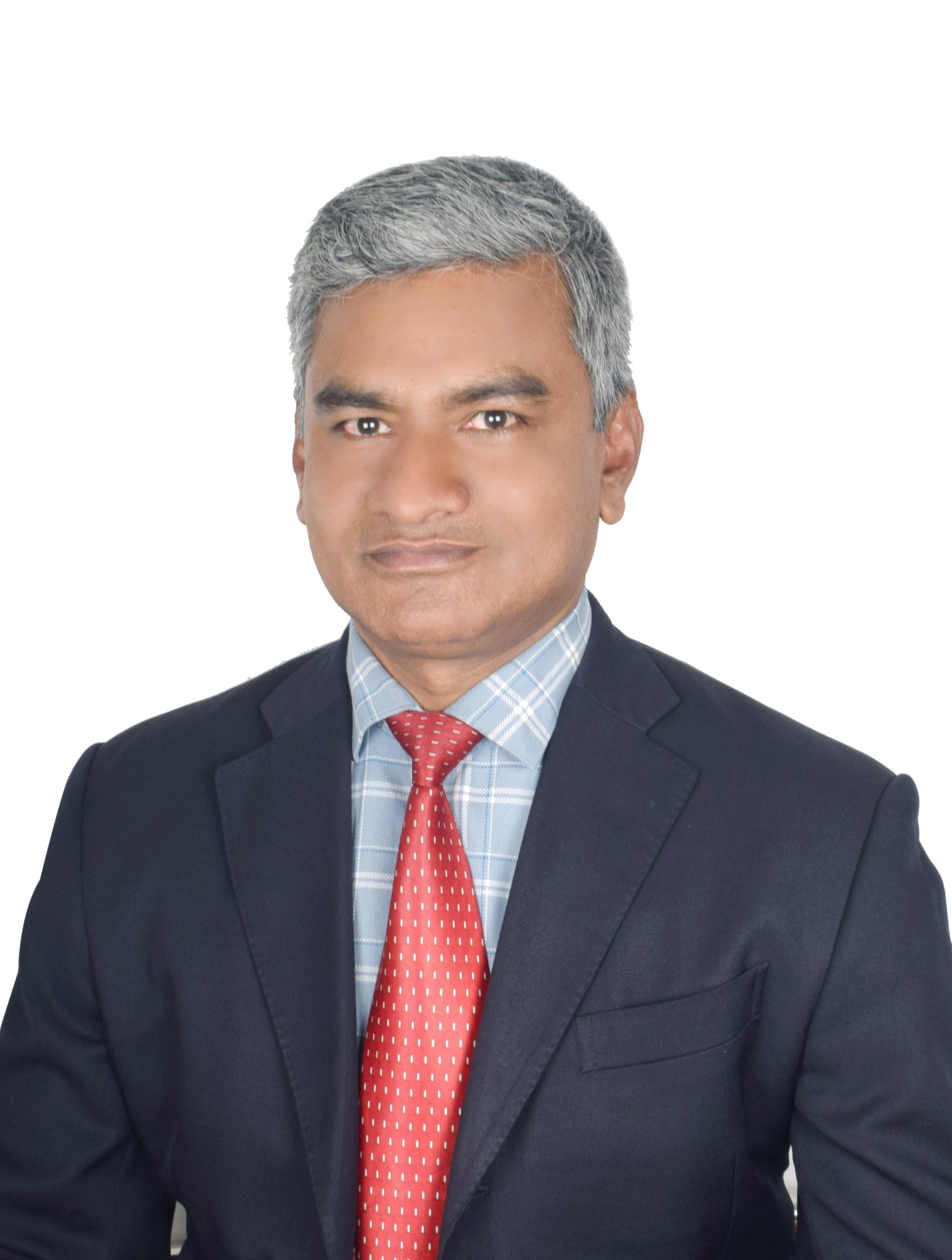
At BRED, we believe empowered communities build empowered nations. Our journey continues with commitment to rights, equity, resilience and sustainable development. Together, we can create a just society where no one is left behind.
BRED’s supplied registration documents are preserved here as organizational credentials.
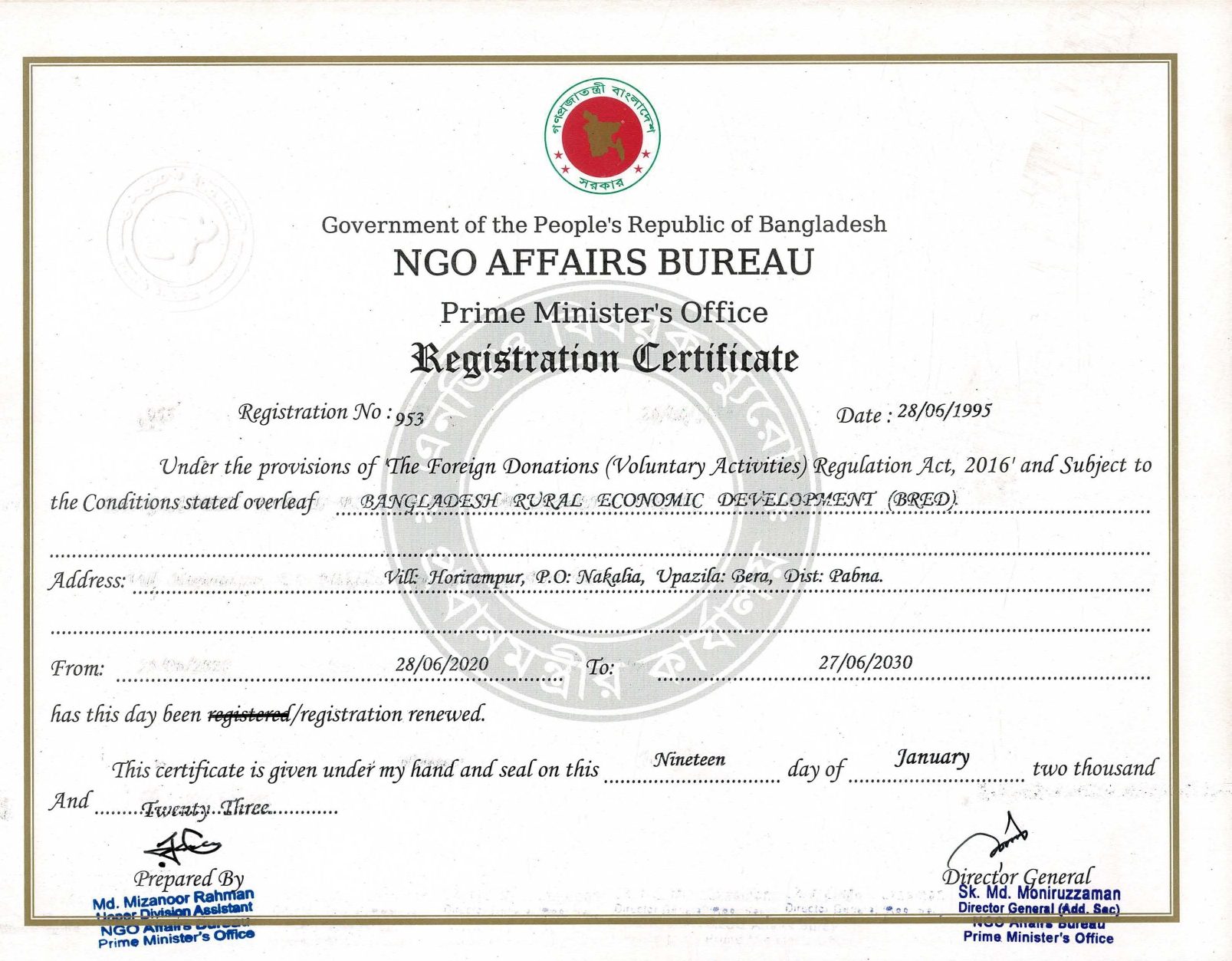
Registration No. 953
Certificate dated 28 June 1995. The supplied certificate also shows renewal from 28 June 2020 to 27 June 2030.
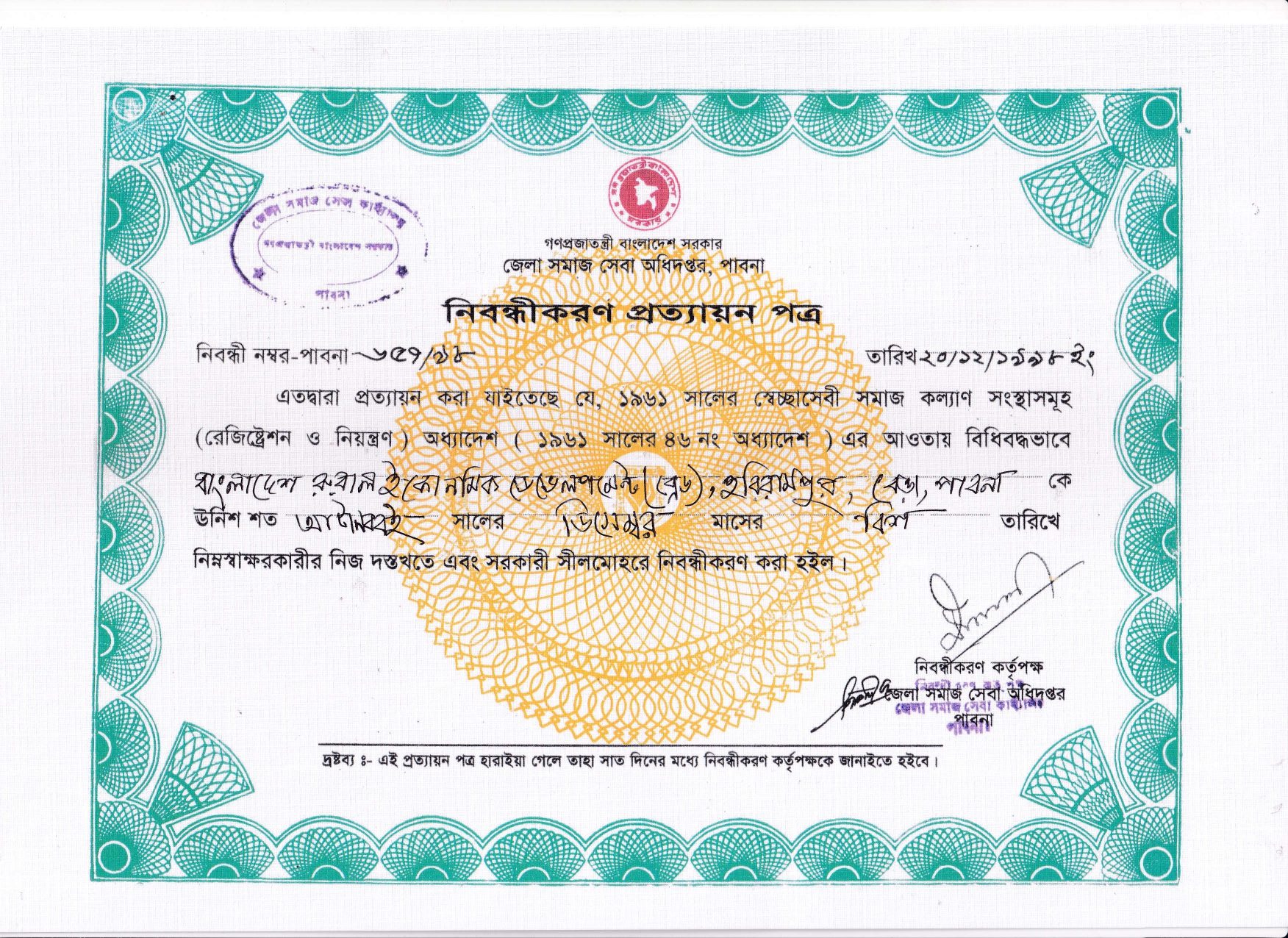
The supplied Social Welfare registration certificate is preserved as a separate organizational credential.
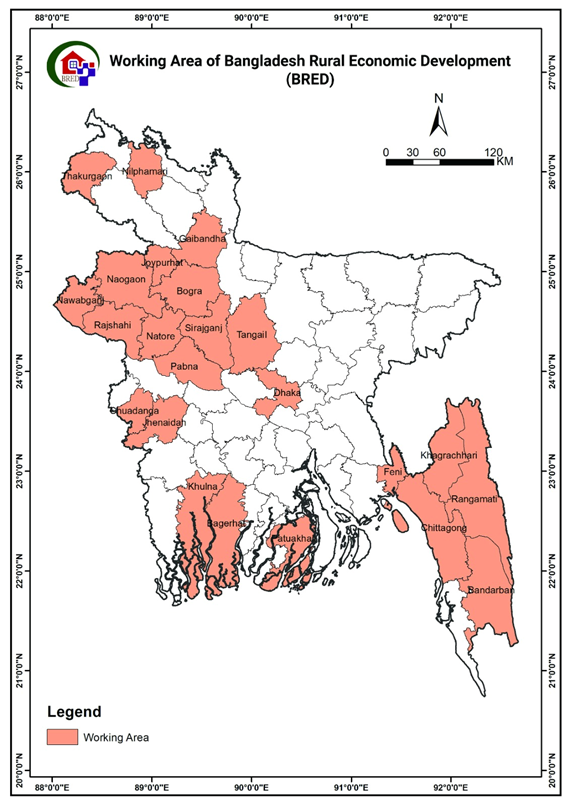
View Certificate ↗BRED’s supplied working-area map shows 23 districts across 6 divisions. The division grouping below follows the current administrative divisions of Bangladesh.
Thakurgaon · Nilphamari · Gaibandha
Naogaon · Joypurhat · Chapainawabganj · Rajshahi · Natore · Bogura · Pabna · Sirajganj
Tangail · Dhaka
Chuadanga · Jhenaidah · Khulna · Bagerhat
Patuakhali
Feni · Khagrachhari · Rangamati · Chattogram · Bandarban
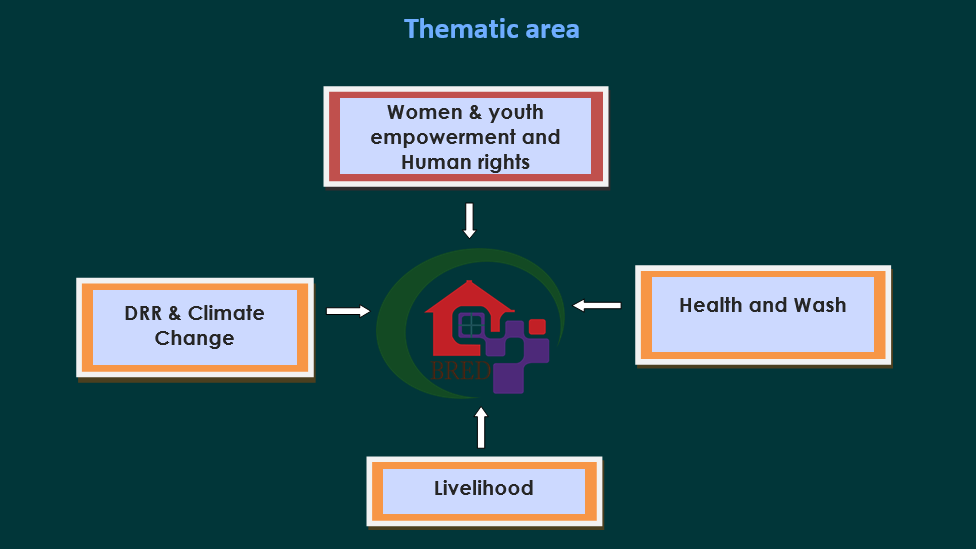
Across these locations, BRED’s work connects climate resilience, health and WASH, livelihoods, and women and youth empowerment and human rights.
BRED reports service to more than 315,500 people across 23 districts in 6 divisions, including approximately 64,000 men, 157,500 women and 94,000 children.
Explore Areas of Work →Learn about our areas of work, programmes, projects and partnerships.